
Ducted or Ductless Heat Pump? How to Tell Which Suits Your Ontario Home
Ducted or Ductless Heat Pump? How to Tell Which Suits Your Ontario Home
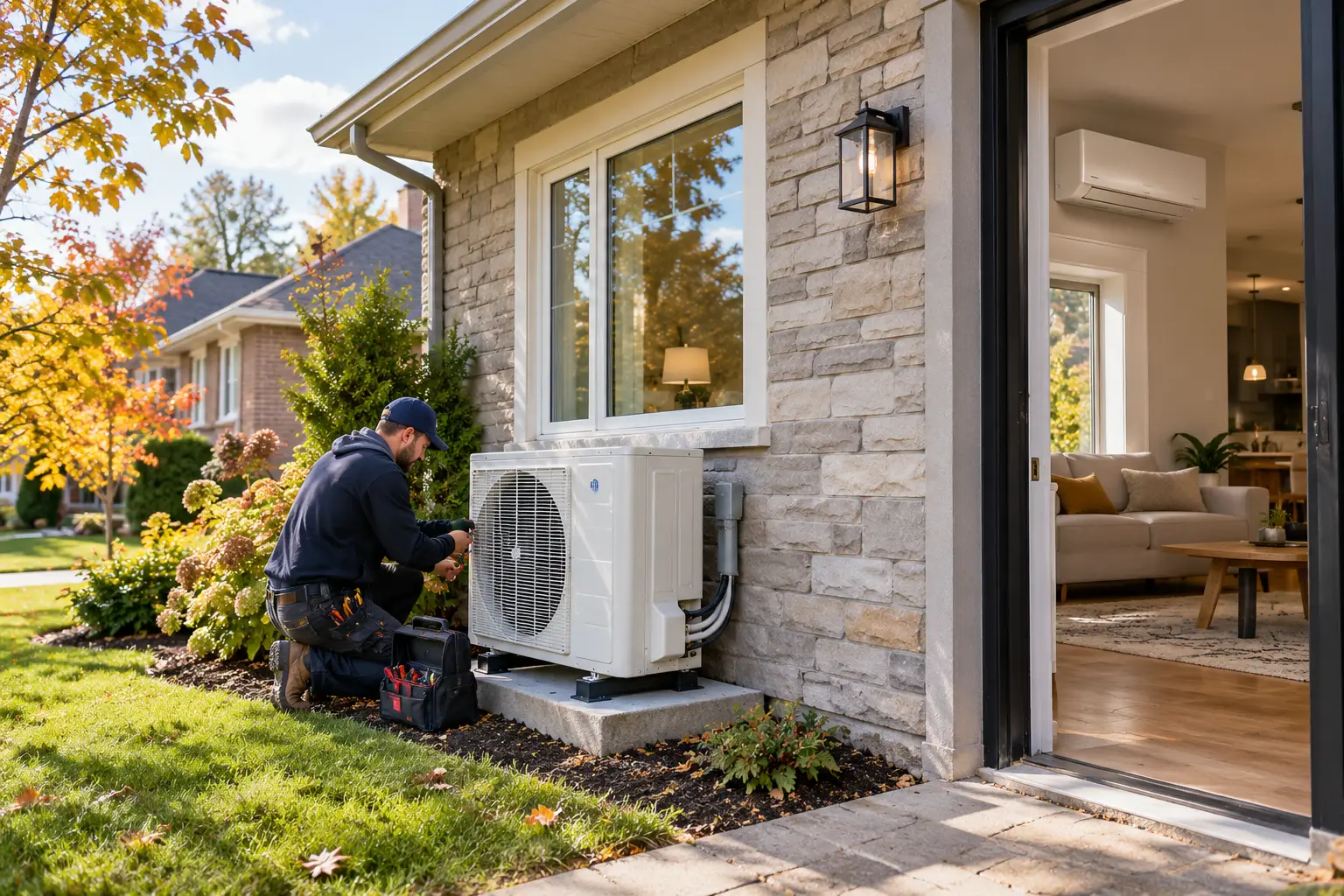
Once you decide a heat pump is worth a look, the next question usually comes fast: ducted or ductless? Both move heat using electricity, and both can heat in winter and cool in summer. The difference is how that comfort gets to your rooms. Here is a plain-language guide to help you think it through.
First, how a heat pump works
According to Natural Resources Canada (NRCan), a heat pump is an electrically driven device that moves heat from a cold place to a warmer one. It is reversible, which is why one system can provide heating and cooling. The most common type in Canada is the air-source, air-to-air heat pump, and that is the type this post covers. It comes in two main styles: ducted and ductless.
Ducted: using the air ducts you already have
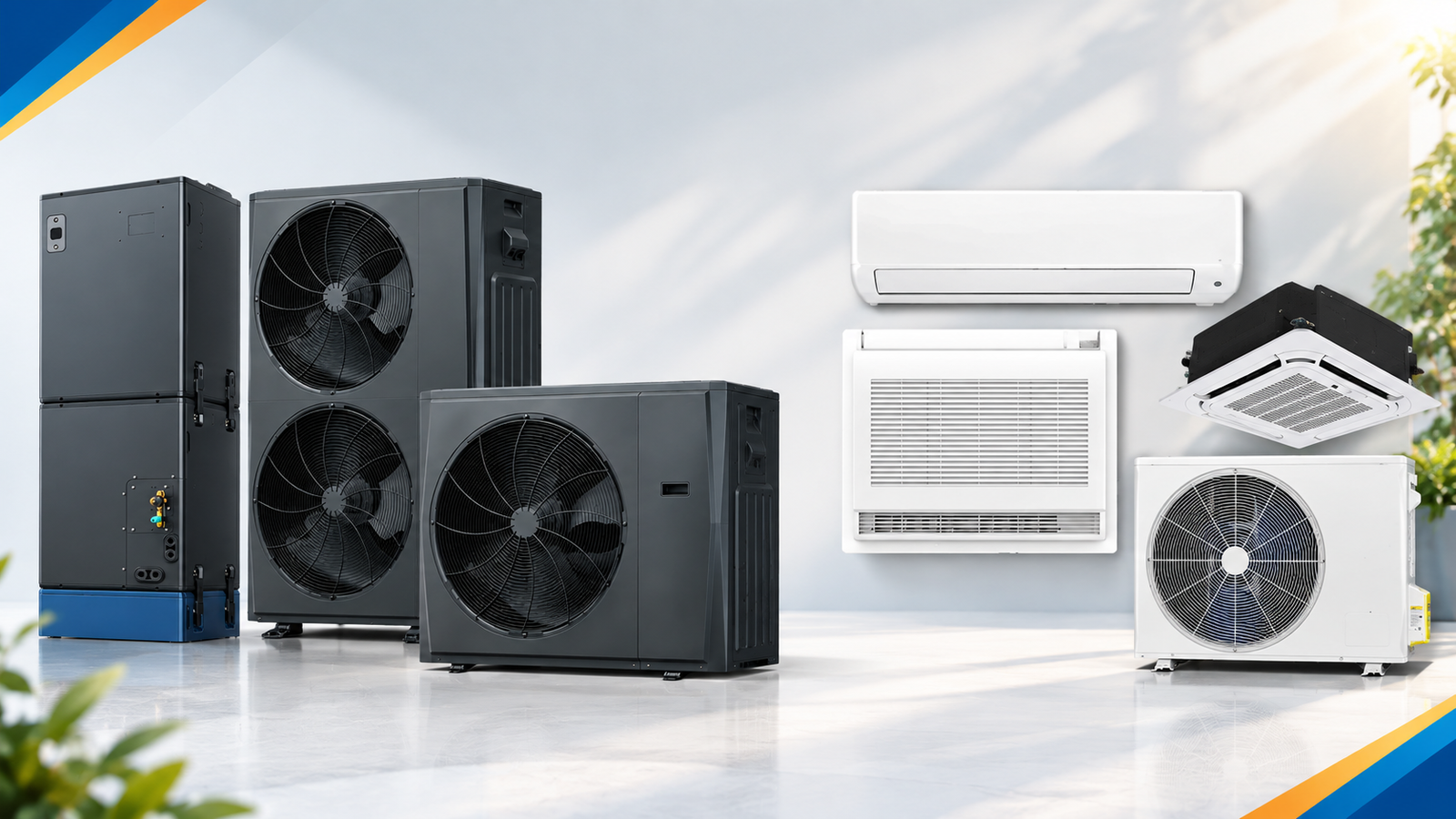
A ducted (also called central) heat pump connects to the ductwork in your home. NRCan describes the indoor coil as sitting in the ducts, so the same vents that carry air today carry it after an upgrade. Vivion installs ducted heat pumps typically in sizes from 2 to 5 tons, depending on the home.
A ducted system may be a natural fit if:
- Your home already has ductwork that is in reasonable shape, since leaky ducts can undermine comfort whatever equipment you choose.
- You want one system to serve the whole house through the vents you already use.
- You prefer not to have indoor units visible on your walls.
Ductless: heating and cooling room by room
Ductless systems use wall- or floor-mounted indoor units instead of ducts. NRCan explains that a mini-split has one indoor unit, while a multi-split connects several indoor units to one outdoor unit. Vivion offers single-zone and multi-zone ductless options.
A ductless system may be worth considering if:
- Your home has no ducts, such as a home heated by electric baseboards or radiators.
- You want to heat or cool one space, like an addition, a sunroom or a finished basement.
- You would like to control temperatures room by room.
Three things that matter for either type
1. Sizing
NRCan recommends a professional load calculation, which is an estimate of how much heating and cooling your home needs. According to NRCan, a unit that is too small leans more on backup heat, while one that is too large switches on and off often, which can mean discomfort and extra wear. Vivion confirms sizing during your free consultation as part of its heat pump sizing audit, so we never suggest a size in advance.
2. Cold weather
NRCan says cold-climate heat pumps use variable-capacity compressors and improved heat exchangers to hold up better in cold weather. It also notes that most air-source units have a minimum operating temperature, so a backup heat source may be needed below that point. Ask any installer how a system will handle your coldest days.
3. How the warm air feels
NRCan notes that air-to-air heat pumps deliver air at lower temperatures than a furnace, so the air from the vents may feel milder than you are used to. That is normal for the technology, and it is worth knowing before your first winter.
Looking after it
NRCan advises having a qualified contractor service your heat pump every year and cleaning or changing filters about every three months. Homeowners can handle the filters, but leave everything electrical and mechanical to a licensed professional. NRCan says air-source units typically last about 15 to 20 years, though this varies with the equipment and upkeep.
What about rebates?
The Home Renovation Savings program lists heat pump rebates on its website, organized by your home’s main heating source and by heat pump type. Its page says the unit must be on NRCan’s qualified products list, that you must use a participating contractor, and that installations done before approval are not eligible. Amounts and rules can change, so check the program page for current details. Eligibility depends on program rules – we can help check during your consultation.
Questions to ask before you choose
- How was the size chosen for my home?
- Are my existing ducts suitable, or would ductless suit my layout better?
- How will the system perform on the coldest days, and what backup heat is used?
- What warranty comes with the equipment, and where are the terms written down?
Product warranties come from the manufacturer and follow the manufacturer’s terms. Vivion also offers optional extended warranties for ducted and ductless heat pumps, and payment and financing options are available, with details discussed during your consultation.
If you would like help working out which type suits your home, book a free consultation with Vivion Energy.
Sources
Information is current as of October 22, 2026. Programs and rates can change, so check the official source or contact us before making decisions.