
kW vs kWh: What’s the Difference, and Why It Matters on Your Hydro Bill
kW vs kWh: What’s the Difference, and Why It Matters on Your Hydro Bill
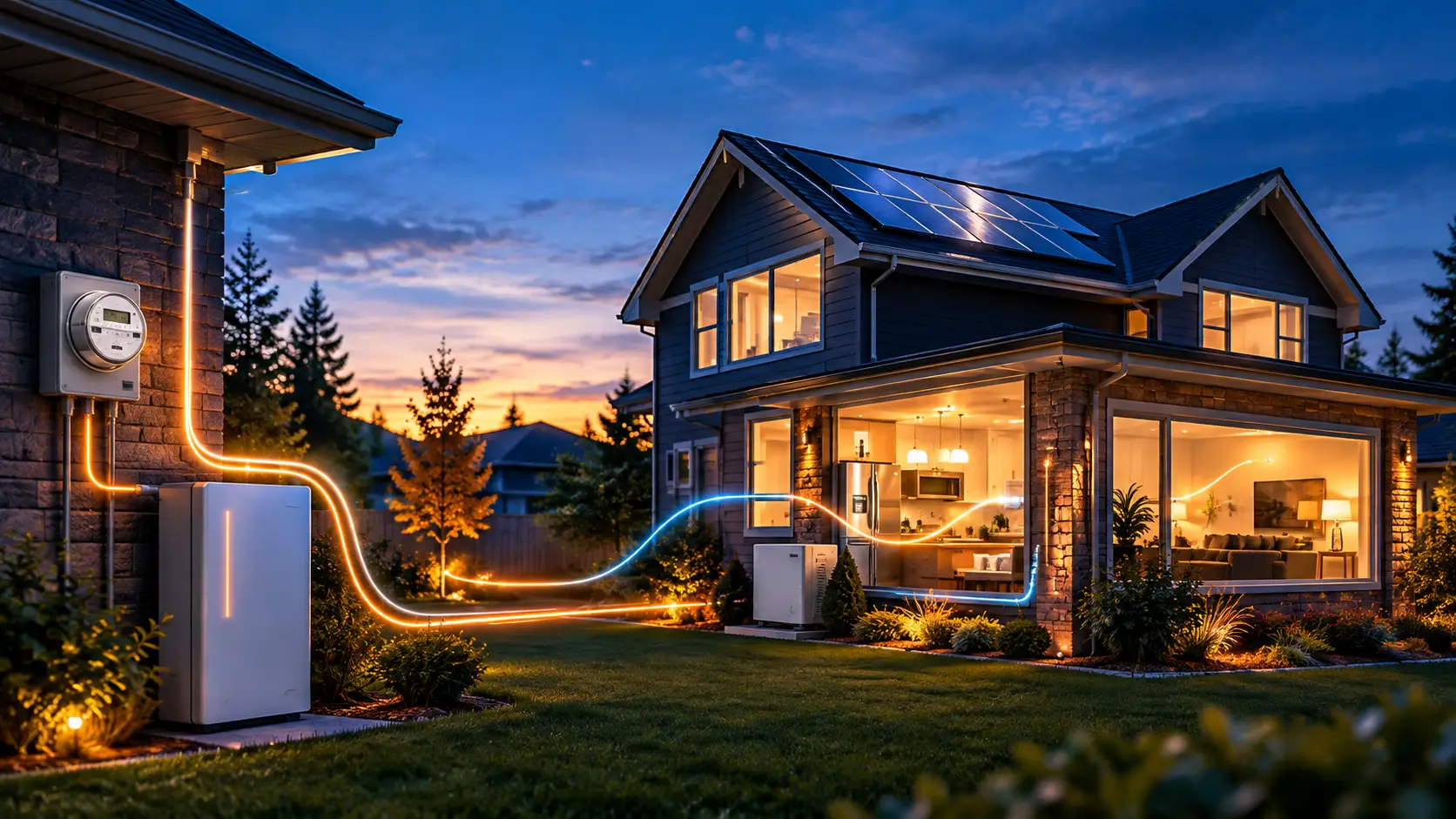
You have probably seen “kW” and “kWh” on your hydro bill, on a solar quote or on a battery spec sheet, and wondered if they are the same thing. They are not, but the idea is simple once you picture it. This guide explains both in plain English, so the numbers you see start to make sense.
kW: how much power, right now
A watt measures how fast something uses electricity. A kilowatt (kW) is 1,000 watts. Natural Resources Canada describes electric power as measured in kilowatts, and energy as power flowing over time.
Think of kW like the speed on a car’s speedometer. It tells you how hard something is working at one moment. A space heater rated at 1,500 watts is a 1.5 kW appliance whenever it is running. A small LED bulb might be a few watts.
kWh: how much energy over time
A kilowatt-hour (kWh) is the amount of energy you use when you run 1 kW for one hour. The Ontario Energy Board (OEB) puts it this way: one kWh is using 1,000 watts of electricity for one hour.
Staying with the car comparison, kWh is the distance travelled. Speed times time gives distance, and in the same way kW times hours gives kWh.
- A 1.5 kW space heater running for 2 hours uses 1.5 × 2 = 3 kWh.
- A 1 kW appliance running for 5 hours uses 5 kWh.
- The same 1.5 kW heater running for only 20 minutes uses 0.5 kWh.
These are simple worked examples to show the maths. Real appliances vary, so check the label on your own equipment.
Where you see kWh on your bill
Your utility measures the electricity you use in kWh, and prices are set per kWh. That is why your bill depends on both how much electricity you use and when you use it. Under Time-of-Use or Ultra-Low Overnight plans, the price for each kWh changes by time of day. Under the Tiered plan, the price depends on how much you use overall in a month, according to the OEB.
The OEB announced on October 16, 2026 that new regulated electricity prices take effect November 1, 2026. You can see the exact prices and time periods on the OEB announcement. Because the price is per kWh, moving some of your usage to a cheaper time period changes the cost of those kWh, even if the number of kWh stays the same. The OEB also suggests shifting usage to cheaper times, such as evenings, weekends and holidays, in its guide to Time-of-Use rates.
Why this matters for solar and batteries
This is where the two units often get mixed up. Solar systems and batteries are described with both, and they answer different questions.
- Solar: A system’s size in kW tells you its installed capacity, which is the most it can produce at once in strong sunlight. The electricity it actually produces over a day or a year is counted in kWh, and that depends on the roof, shading, weather and season. Two numbers, two meanings.
- Net metering: According to the OEB, the utility measures the kWh you draw from the grid and the kWh you send back. You receive a credit for the electricity you send back, and credits can only offset charges related to your electricity consumption. Check the OEB page for the rules, including how long credits carry over.
- Home batteries: Think of the battery’s kWh as the size of the fuel tank, meaning how much energy it can store. The inverter’s kW is how quickly that energy can flow out at one time. Vivion’s Fox ESS battery packages come in sizes from 8 to 56 kWh, in 4 kWh steps, with inverter options of 9.6 kW or 11.4 kW. Vivion is an authorized Fox ESS dealer.
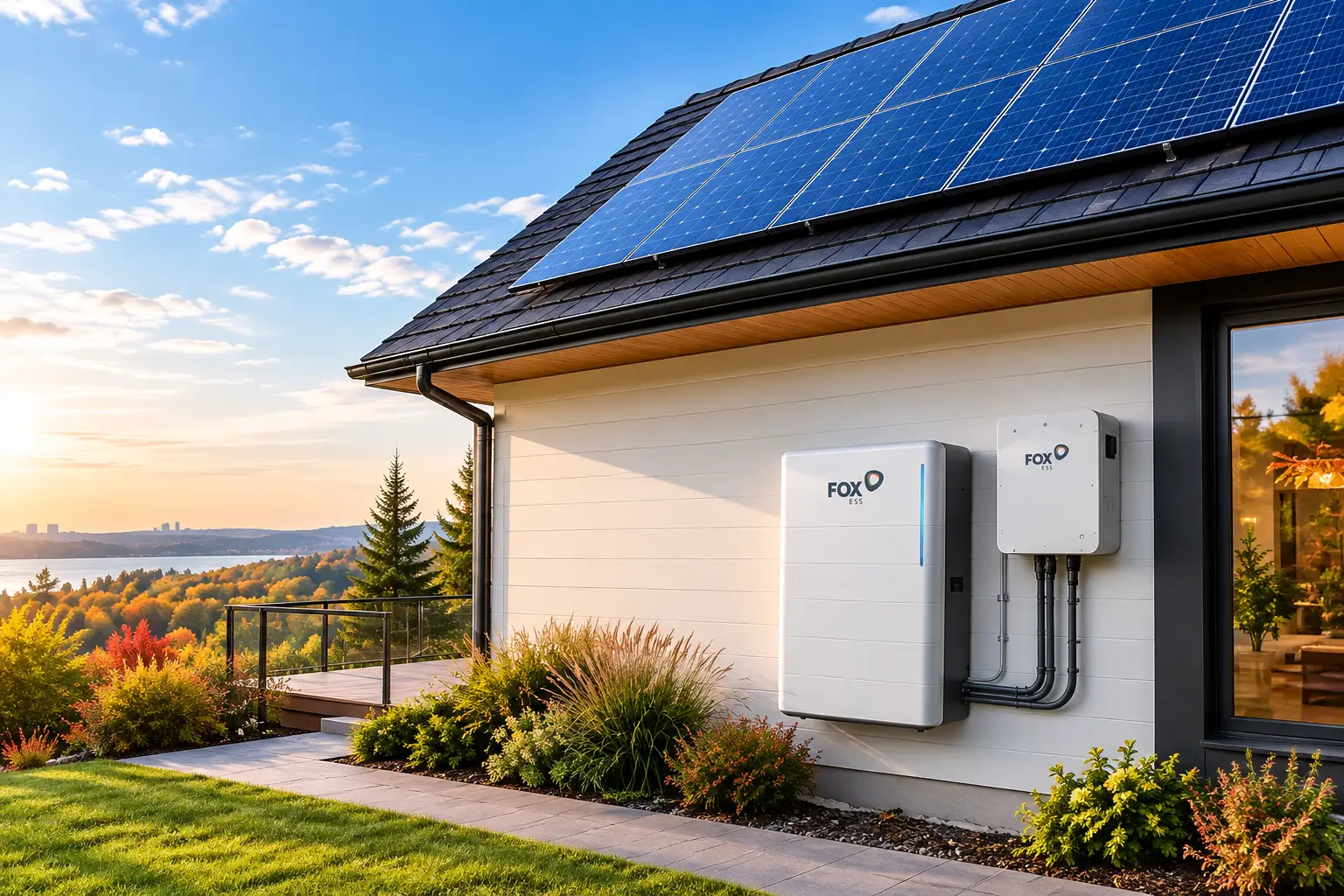
A bigger kW number does not mean more energy stored, and a bigger kWh number does not mean more power at once. The right combination depends on the home, which is confirmed during a consultation rather than from a general guide like this one.
A quick way to remember it
- kW is the speed: how much power at this moment.
- kWh is the distance: how much energy over time, and what your bill is mostly based on.
- Always ask what a number is measuring before comparing it with another.
If you would like to talk through how these numbers apply to your own home, book a free consultation with Vivion Energy.
Sources
- Ontario Energy Board: Managing costs with Time-of-Use rates
- Ontario Energy Board: Understanding your electricity bill
- Ontario Energy Board: Announces Changes to Electricity Prices for Households, Small Businesses and Farms
- Ontario Energy Board: Net metering
- Natural Resources Canada: About Electricity
- Vivion Energy
Information is current as of October 25, 2026. Programs and rates can change, so check the official source or contact us before making decisions.