
New Ontario Hydro Prices Start November 1: How to Get Ready
New Ontario Hydro Prices Start November 1: How to Get Ready

The Ontario Energy Board (OEB) announced on October 16, 2026 that new electricity prices take effect on November 1. Prices on all three regulated plans are a little lower than last winter, but how much your bill moves still depends on how much power you use and when. Here is what changed and a few practical ways to be ready.
What the OEB announced
According to the OEB’s news release, the prices below take effect November 1, 2026. They replace the prices set on November 1, 2025. A kWh (kilowatt-hour) is the unit your bill uses to measure electricity.
Time-of-Use (TOU)
- Off-peak: 9.1 cents per kWh (weekdays 7 p.m. to 7 a.m., and all day on weekends and holidays)
- Mid-peak: 14.6 cents per kWh (weekdays 11 a.m. to 5 p.m.)
- On-peak: 18.9 cents per kWh (weekdays 7 a.m. to 11 a.m. and 5 p.m. to 7 p.m.)
Ultra-Low Overnight (ULO)
- Ultra-low overnight: 3.7 cents per kWh (every day, 11 p.m. to 7 a.m.)
- Weekend off-peak: 9.1 cents per kWh (weekends and holidays, 7 a.m. to 11 p.m.)
- Mid-peak: 14.6 cents per kWh (weekdays 7 a.m. to 4 p.m. and 9 p.m. to 11 p.m.)
- On-peak: 37.7 cents per kWh (weekdays 4 p.m. to 9 p.m.)
Tiered
- Tier 1: 11.2 cents per kWh for the first 1,000 kWh a month (residential, winter)
- Tier 2: 13.2 cents per kWh above that
The OEB also notes that the Ontario Electricity Rebate changes to 15.7% on November 1, and that individual bill impacts vary by household and utility. Your own bill is the best guide.
Step 1: Confirm which plan you are on
Residential customers can choose TOU, ULO or Tiered. If you have never checked, look at your latest bill or your local utility’s website. If you do nothing, you stay on your current plan.
Step 2: Compare plans using your own habits
The OEB has a free online bill calculator at oeb.ca/calculator. It says bill impacts depend on how much electricity you use and when, and that there is no guarantee you will save money if you switch. To change plans, you notify your utility with an election form. The OEB says a switch takes effect at the start of a billing period.
A simple thought experiment: ULO’s on-peak price is roughly ten times its overnight price (37.7 versus 3.7 cents). That can suit a home that can move most usage overnight, such as electric vehicle charging, and could be costly for a home that uses a lot of power from 4 p.m. to 9 p.m. Tiered pricing does not care about timing at all, which some households prefer.
Step 3: Move flexible chores
On a time-based plan, the dishwasher, laundry and other flexible tasks are easiest to shift. Many appliances have a delay-start setting. Because winter evenings are the busiest time on the grid, avoiding the expensive window is often the simplest habit change.
Step 4: Look at winter heating
Heating is usually the biggest winter load. Keeping drafts out and attic insulation topped up means your system runs less. A programmable or smart thermostat can lower the temperature while no one is home. Savings from any of these are estimates and depend on your home and habits.
Check rebates before you buy
The Home Renovation Savings program is listed on its official site as available, with no end date shown. According to the program website, listed rebates include:
- Attic insulation: $1,250, no home energy assessment required
- Solar panels and battery storage: up to $10,000
- Heat pump water heaters: $500, home energy assessment required
Terms and conditions apply to specific rebates. Eligibility depends on program rules – we can help check during your consultation. The program also warns that scammers are impersonating contractors, so share personal details only with people you have verified.

Batteries and solar: a longer-term option
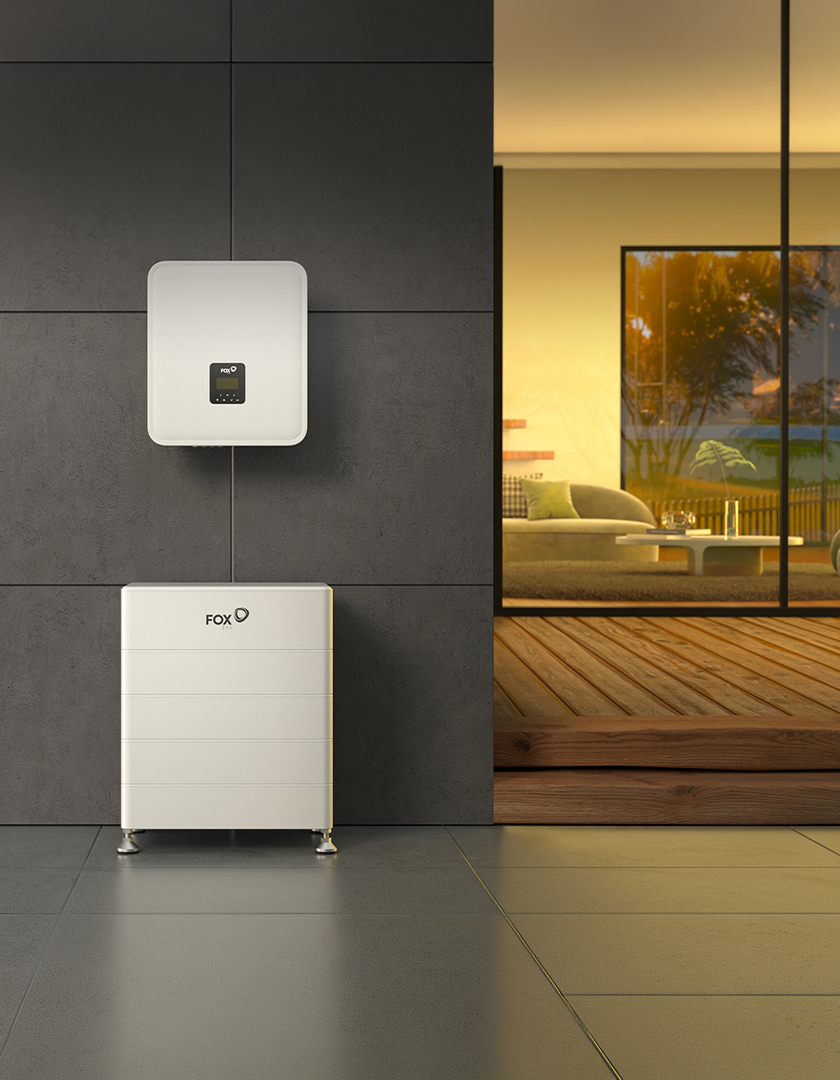
Some homeowners look at a home battery to store electricity when it is lower priced and use it later, and at solar panels to generate power on site. Results are estimates and depend on your home, your price plan, and program rules. A battery should not be counted on to run a whole home in an outage, so ask what is and is not backed up. To explore the numbers, try the Vivion Saving Calculator.
A simple plan for the next two weeks
Check your plan, run the OEB calculator once, and pick two or three chores to move. Then, if bigger upgrades interest you, review the rebates first.
If you would like to talk through your options, book a free consultation with Vivion Energy.
Sources
Information is current as of October 16, 2026. Programs and rates can change, so check the official source or contact us before making decisions.