
Solar, Batteries and Rebates: 7 Questions Ontario Homeowners Ask
Solar, Batteries and Rebates: 7 Questions Ontario Homeowners Ask
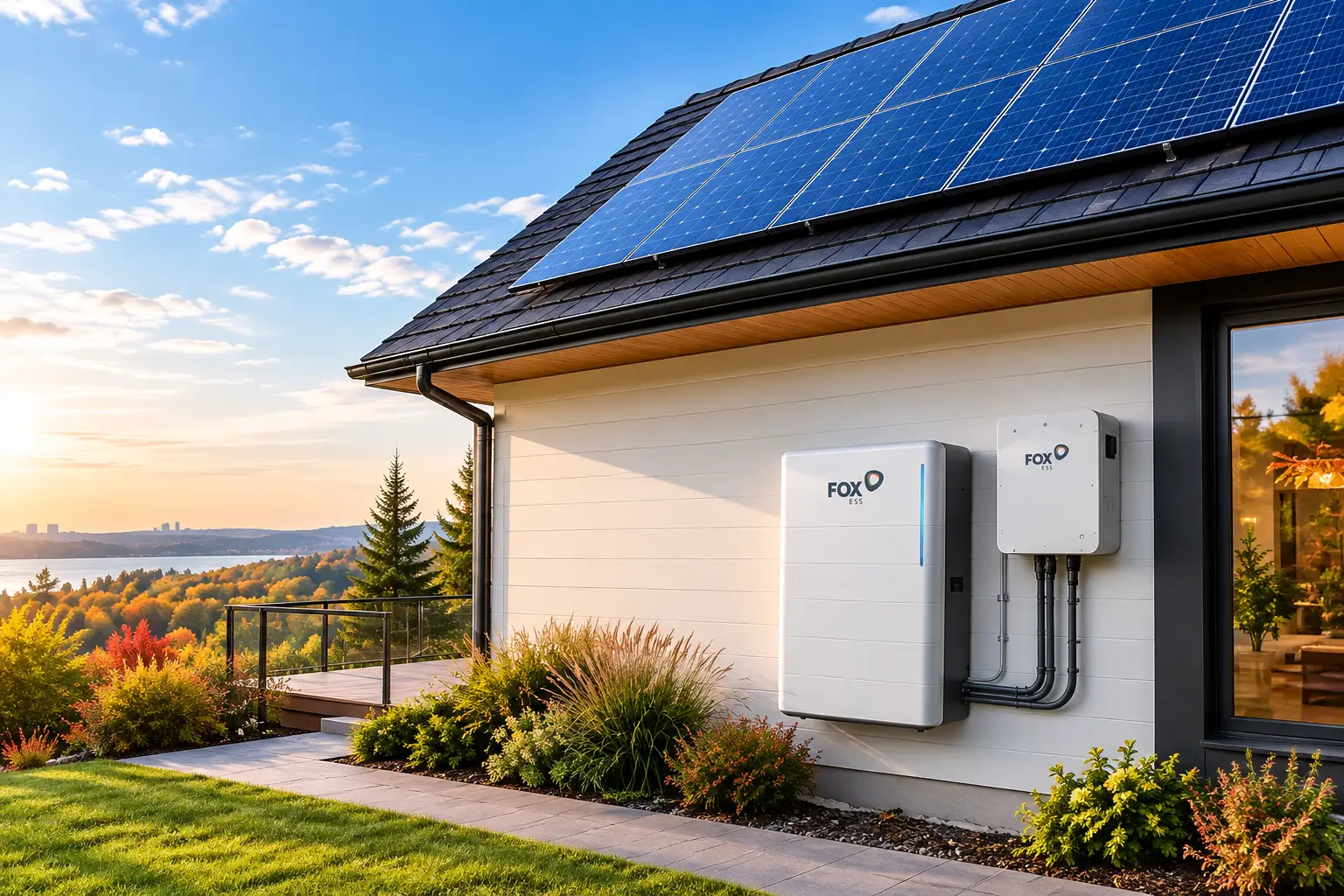
Thinking about solar panels or a home battery? You probably have a few questions before you start. We’ve gathered seven common ones and answered them in plain language, using official sources for every rate and rebate. Where an answer depends on your home or your utility, we say so.
1. What is net metering, and does every Ontario home get it?
Net metering lets a home with solar panels send extra electricity back to the grid and get credits on its bill. Toronto Hydro explains that credits earned in a month go toward your bill, and any extra credits carry over to future bills for up to 12 months.
It isn’t automatic, though. Toronto Hydro lists conditions, such as generating mainly for your own use from renewable sources, meeting technical standards, and not being on a restricted part of the grid. Other utilities have their own details, so check with yours before you plan around it.
2. Are there rebates for solar panels and batteries?
Yes. Ontario’s Home Renovation Savings program lists up to $5,000 for solar panels (calculated at $1,000 per kW, capped at 50% of total costs) and up to $5,000 for battery storage (calculated at $300 per kWh, capped at 50% of total costs), as shown on the program’s solar page.
A few rules are worth knowing:
- A battery must be paired with a new solar system. It can’t be rebated on its own.
- The rebate is for systems designed for “load displacement” (using your own power), so you can’t also join a net-metering agreement for the same system.
- Your contractor submits a pre-installation form, and the program says not to buy or install equipment before you get written pre-approval.
Eligibility depends on program rules – we can help check during your consultation.
3. Do Ontario’s price plans change whether a battery makes sense?
They can. The Ontario Energy Board (OEB) sets electricity prices each November 1. The prices set on November 1, 2025 are the current ones, and new prices are expected on November 1, 2026.
- Time-of-Use: off-peak 9.8 cents per kWh, mid-peak 15.7 cents, on-peak 20.3 cents.
- Ultra-Low Overnight: 3.9 cents overnight (11 p.m. to 7 a.m.), but 39.1 cents on weekdays from 4 to 9 p.m.
A kWh (kilowatt-hour) is the unit your bill uses to measure electricity. Because prices differ so much by time of day, a battery can be set up to charge when power is cheaper and be used when it costs more. How much that matters depends on your usage and plan. Our Saving Calculator at vivionenergy.com/saving-calculator/ gives an estimate to start from.
4. Does solar or battery work in my home need a permit or inspection?
Electrical work in Ontario is overseen by the Electrical Safety Authority (ESA). ESA says nearly all electrical work needs a notification filed before work starts, and that the person doing the work files it. A building permit is separate, so you may need both. ESA decides which jobs it inspects, and rules can vary by municipality.
That’s one reason to hire a licensed electrical contractor. For the details of your project, ask us directly.
5. How long until solar pays for itself?
There’s no single answer, and we don’t give payback periods. It depends on your electricity use, your price plan, your roof, how the system is designed, any rebates you’re eligible for, and future electricity prices. Be cautious of anyone who promises a fixed number without looking at your home. A good starting point is the Saving Calculator, which provides estimates only, followed by a conversation about your own situation.
6. Can a battery run my whole home during an outage?
It depends, and no one can promise it for every home. What a battery can run, and for how long, depends on its size, how full it is, and what you’re using at the time. Running electric heating, an air conditioner and a dryer together uses far more than lights, a fridge and internet.
Vivion installs Fox ESS home batteries, with battery sizes from 8 to 56 kWh in 4 kWh steps and inverter options of 9.6 kW or 11.4 kW. Sizing is confirmed during a consultation, based on what you want to keep running. Vivion is an authorized Fox ESS dealer.
7. Where does Vivion work, and how does a project start?
Vivion serves all of Ontario. Every project follows four steps: request a free consultation, receive updates and confirmation as your project is planned, professional installation by our team, and enjoy energy efficiency in your home. Timelines vary by project and are confirmed during the consultation.
Payment and financing options are available, and the details are discussed during the consultation. Vivion is also a Home Renovation Savings Program participating contractor, though rebate eligibility still depends on program rules. Have another question? Call 437-567-7757 or email hello@vivionenergy.com.
Sources
Information is current as of October 15, 2026. Programs and rates can change, so check the official source or contact us before making decisions.