
What Is Peak Demand? Why Some Hours Cost More on Your Hydro Bill
What Is Peak Demand? Why Some Hours Cost More on Your Hydro Bill
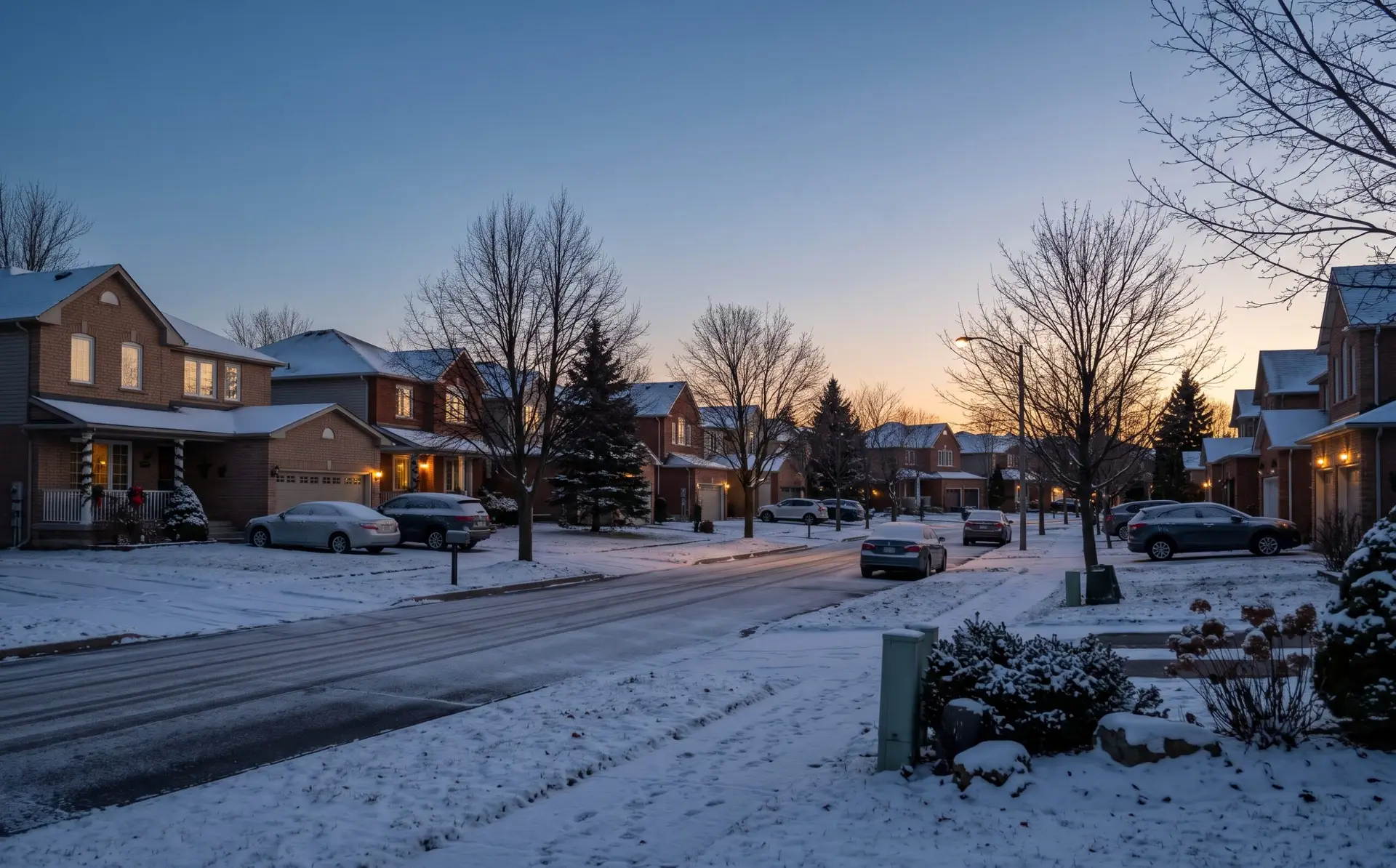
Your hydro bill doesn’t just count how much electricity you use. On most Ontario price plans, it also cares about when you use it. The reason is something called peak demand. Here is what that term means, why it shapes your prices, and a few easy ways your household can work with it.
What does “peak demand” mean?
Demand is the amount of electricity everyone on the grid needs at a given moment. Peak demand is simply the busiest stretch, when electricity use is at its highest. The Independent Electricity System Operator (IESO), which runs Ontario’s grid, explains that peaking generators such as gas plants and hydro dams can be called on to meet that demand when it climbs.
Think of it like a highway. Most of the day traffic flows easily, but at rush hour everyone is on the road at once. The grid has to be built and run for those rush hours, not just the quiet ones.
When does Ontario’s grid get busiest?
According to the IESO’s historical demand page, Ontario’s all-time record peak was 27,005 megawatts (MW) on August 1, 2006, a hot summer day. The record winter peak listed there is 24,979 MW, set on December 20, 2004. So while summer heat waves set the records, cold winter days can push demand high too.
A quick note on units: a megawatt measures power at a moment in time, while your bill counts energy in kilowatt-hours (kWh) used over time. If that difference is fuzzy, our post on kW vs kWh explains it in plain terms.
How peak demand shows up on your bill
The Ontario Energy Board (OEB) sets regulated electricity prices each year. On its electricity rates page, the OEB describes on-peak as the busier times of day, generally when people are cooking, using electronics and running heaters or air conditioners. Prices are higher then and lower when demand is lighter.
Here are the Time-of-Use (TOU) prices the OEB set for November 1, 2026, with winter hours (November 1 to April 30):
- Off-peak, 9.1¢/kWh: weekdays 7 p.m. to 7 a.m., plus all day on weekends and holidays
- Mid-peak, 14.6¢/kWh: weekdays 11 a.m. to 5 p.m.
- On-peak, 18.9¢/kWh: weekdays 7 a.m. to 11 a.m. and 5 p.m. to 7 p.m.
On the Ultra-Low Overnight (ULO) plan, the gap is wider: 3.7¢/kWh every night from 11 p.m. to 7 a.m., and 37.7¢/kWh on weekdays from 4 p.m. to 9 p.m. The OEB also notes that Ontario households already use nearly two thirds of their electricity during off-peak hours.
A simple example (estimate)
Say a load of laundry plus a dishwasher cycle uses about 2 kWh (an assumption for illustration; your appliances will differ). On TOU:
- At on-peak: 2 kWh × 18.9¢ = 37.8¢
- At off-peak: 2 kWh × 9.1¢ = 18.2¢
- Difference: about 19.6¢ for that one load
That’s small on its own, but chores repeat all month. This is an estimate based on the electricity price only; delivery and other charges, and your own usage, affect your actual bill.

Easy ways to work with peak demand
- Shift flexible chores. Run the dishwasher, laundry and dryer in the evening after 7 p.m. or on weekends if you’re on TOU.
- Check which plan fits. If you can move a lot of use to overnight hours, ULO may suit you; if not, the high ULO on-peak price matters. The OEB page explains each plan.
- Look at demand response. The IESO describes demand response as customers reducing or shifting use when the system is busiest. Its listed residential option is Save on Energy’s Peak Perks program for homes with a smart thermostat.
- Consider storage and solar. A home battery can store electricity when it’s cheaper and use it later, and solar can supply some of your daytime needs. Results depend on your home, usage and price plan.
Why it matters beyond your bill
When many homes ease off at the busiest times, the grid needs less of its peaking supply. That’s part of why the province runs programs that reward shifting use. For you, it’s a chance to keep the same comfort while paying lower prices for some of the electricity you use.
If you’d like to see how solar or a home battery could fit your household, book a free consultation with Vivion Energy, or try our Saving Calculator for an estimate.
Sources
- Ontario Energy Board, Electricity rates (prices set for November 1, 2026): oeb.ca
- IESO, Historical Demand: ieso.ca
- IESO, Supply Mix and Generation: ieso.ca
- IESO, Demand Response: ieso.ca
- Vivion Energy: kW vs kWh, Saving Calculator, contact and free consultation
Information is current as of November 21, 2026. Programs and rates can change, so check the official source or contact us before making decisions.