
Getting More From Your Heat Pump This Winter: Thermostat, Defrost and Backup Heat
Getting More From Your Heat Pump This Winter: Thermostat, Defrost and Backup Heat
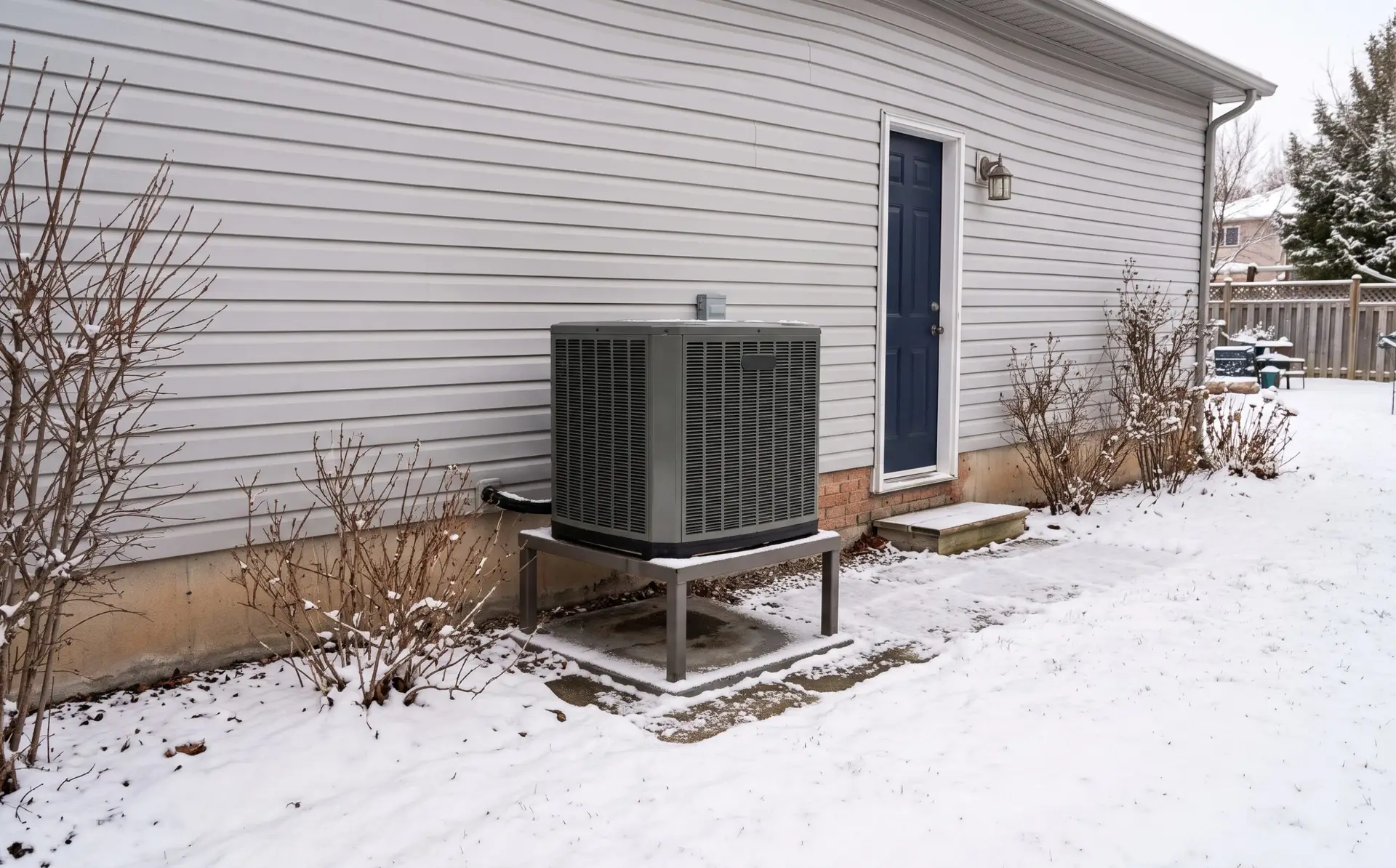
A heat pump can keep your home comfortable through an Ontario winter, but a few settings and habits make a real difference to how smoothly it runs and how much electricity it uses. Here are practical tips drawn from Natural Resources Canada’s (NRCan) heat pump guide, explained in plain language.
Go easy on thermostat setbacks
With a furnace, many people turn the heat way down at night and crank it back up in the morning. A heat pump works best with a gentler approach. NRCan’s guide Heating and Cooling With a Heat Pump recommends setbacks of no more than about 2°C, or using a “smart” thermostat that starts the heat pump early so it can recover gradually.
Why? If the house has cooled a lot, the heat pump may not catch up quickly on its own, so your backup heat steps in. NRCan notes that large setbacks can lead to the supplementary heat running until the heat pump catches up, which can eat into the savings you were hoping for.
Set your backup heat a little lower
Most air-source heat pumps in Canada are paired with some form of backup (supplementary) heat. If yours uses electric backup, NRCan suggests setting it about 2°C to 3°C below the heat pump’s set-point, so the heat pump does most of the work. Your installer should confirm the right set-points and setbacks for your system.
Understand the defrost cycle
When it’s near or below freezing, frost can build up on the outdoor unit’s coil. To clear it, the heat pump briefly runs a defrost cycle: NRCan explains that it switches into cooling mode to send heat to the outdoor coil, and the outdoor fan turns off. During defrost, the indoor air is cooled rather than heated, which is why backup heat may run for a short time.
This is normal. NRCan adds that “demand defrost” controls, which defrost only when sensors detect frost, are generally more efficient than timer-based systems. That’s a good question to ask when comparing models.

Know when your heat pump hands off
Every air-source heat pump has limits in deep cold. According to NRCan, newer models have a minimum operating temperature of roughly -15°C to -25°C; below that, a supplementary system provides the heat. Your installer sets the point where the heat pump steps back, which may be based on comfort, cost or that minimum temperature. Cold-climate heat pumps use variable-capacity compressors and improved controls to keep more of their heating capacity at low temperatures.
If your system is a “hybrid” with a gas furnace as backup, NRCan explains the heat pump and furnace don’t run at the same time, while all-electric backup can run alongside the heat pump.
Keep up with simple maintenance
- Filters: NRCan recommends changing or cleaning the air filter every 3 months.
- Vents: keep supply and return vents clear of furniture, rugs and curtains.
- Outdoor unit: keep the area around it clear and follow your manufacturer’s manual. Leave anything beyond a visual check to a professional.
- Annual service: NRCan recommends yearly maintenance by a qualified contractor.
Comparing heating costs honestly
Efficiency is measured with two terms you’ll see often. The coefficient of performance (COP) compares heat delivered to electricity used: a COP of 3 means 3 kW of heat for every 1 kW of electricity. The heating seasonal performance factor (HSPF) rates efficiency over a whole heating season; NRCan says higher is better. Your actual costs depend on your home, your system and local energy prices.
The Government of Canada’s National Heat Pump Rebate page is also clear that for households heating with natural gas, switching to a heat pump may not lower heating bills, depending on region, the system selected and other factors. It’s worth weighing that alongside comfort, cooling in summer and lower emissions.
Federal heat pump rebate: The National Heat Pump Rebate lists $2,000 for above-median-income households and up to $10,000 for below-median-income households, for eligible installs from November 1, 2026, with applications expected to open in early 2027. Eligibility depends on program rules – we can help check during your consultation. See our rebate checklist for the details.
How Vivion fits in
Vivion installs ducted and ductless heat pumps, and every heat pump project includes a sizing audit, since a well-sized system relies less on backup heat. Optional extended warranties are also available for heat pumps. If you’d like a heat pump that’s set up well for your home, book a free consultation with Vivion Energy.
Sources
- Natural Resources Canada, Heating and Cooling With a Heat Pump: natural-resources.canada.ca
- Government of Canada, National Heat Pump Rebate: canada.ca
- Vivion Energy: heat pumps, Up to $10,000 Back on a Heat Pump: Your Rebate Checklist, Why Heat Pump Sizing Matters, contact and free consultation
Information is current as of November 22, 2026. Programs and rates can change, so check the official source or contact us before making decisions.