
7 Practical Ways Ontario Homeowners Can Trim Their Hydro Bill This Fall
7 Practical Ways Ontario Homeowners Can Trim Their Hydro Bill This Fall
As the days get shorter, heating, lighting and cooking all start to add up on your hydro bill. The good news is that a few small habits, and a few bigger upgrades, can help you use electricity more wisely. Here are seven practical ideas, from free changes you can make tonight to longer-term options worth planning for.
1. Know which price plan you are on
Ontario homes on the regulated price plans can generally choose between three options: Time-of-Use (TOU), Ultra-Low Overnight (ULO) and Tiered. The Ontario Energy Board (OEB) sets these prices, and they were last set on November 1, 2025. The OEB resets them every November 1, so new prices are expected on November 1, 2026.
- Time-of-Use: off-peak 9.8 cents per kWh, mid-peak 15.7 cents, on-peak 20.3 cents. A kWh (kilowatt-hour) is the unit your bill uses to measure electricity.
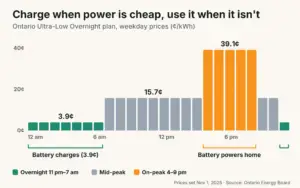
- Ultra-Low Overnight: 3.9 cents per kWh from 11 p.m. to 7 a.m. every day, but 39.1 cents per kWh on weekdays from 4 p.m. to 9 p.m.
- Tiered: 12.0 cents per kWh up to a monthly limit, then 14.2 cents above it. In winter the limit is 1,000 kWh a month; in summer it is 600 kWh.
Which plan suits you depends on when your household uses power. Check your bill or your local utility’s website to see which plan you are on, and ask your utility how to switch if another plan fits your routine better.
2. Shift flexible chores to cheaper hours
If you are on a time-based plan, running the dishwasher, laundry and other flexible tasks in lower-priced periods can make a difference. On TOU, weekday evenings after 7 p.m. and all day on weekends and holidays are off-peak. Many dishwashers and dryers have a delay-start setting that makes this easy.
3. Look closely at the big electricity users
Heating and cooling, water heating, clothes dryers and electric vehicle charging tend to use the most power. If you have an electric vehicle, charging overnight can fit well with the lowest-priced hours on a time-based plan. Small changes to your biggest users usually matter more than turning off a few lights.
4. Use a smart thermostat
A smart thermostat lets you set a schedule so your home is not heated or cooled at full strength while no one is home. It is a simple, low-effort upgrade that improves comfort and helps you avoid wasted energy. Savings are an estimate and depend on your home and habits.
5. Seal and insulate
Drafty windows, an under-insulated attic and gaps around doors let heat escape in winter. Air sealing and insulation make your home more comfortable and give your heating system less work to do. If you are planning this kind of project, check the rebate programs below before you start.
6. Check current rebates before you buy
The Home Renovation Savings program, delivered by Save on Energy and Enbridge Gas with Ontario government support, is described as active on the official site, with no end date listed. According to the program website, listed rebates include:
- Solar panels and battery storage: up to $10,000
- Insulation: up to $7,700 (requires a home energy assessment and two or more upgrades)
- Attic insulation: $1,250 (no assessment required)
- Air sealing: up to $250 (requires an assessment)
- Heat pump water heaters: $500 on qualified models (requires an assessment)
Terms and conditions apply, and some products must be ENERGY STAR certified or on Natural Resources Canada’s qualified list. Eligibility depends on program rules – we can help check during your consultation. The program’s own page also warns about scammers posing as contractors, so only share personal details with sources you have verified.
7. Batteries and solar: a longer-term option
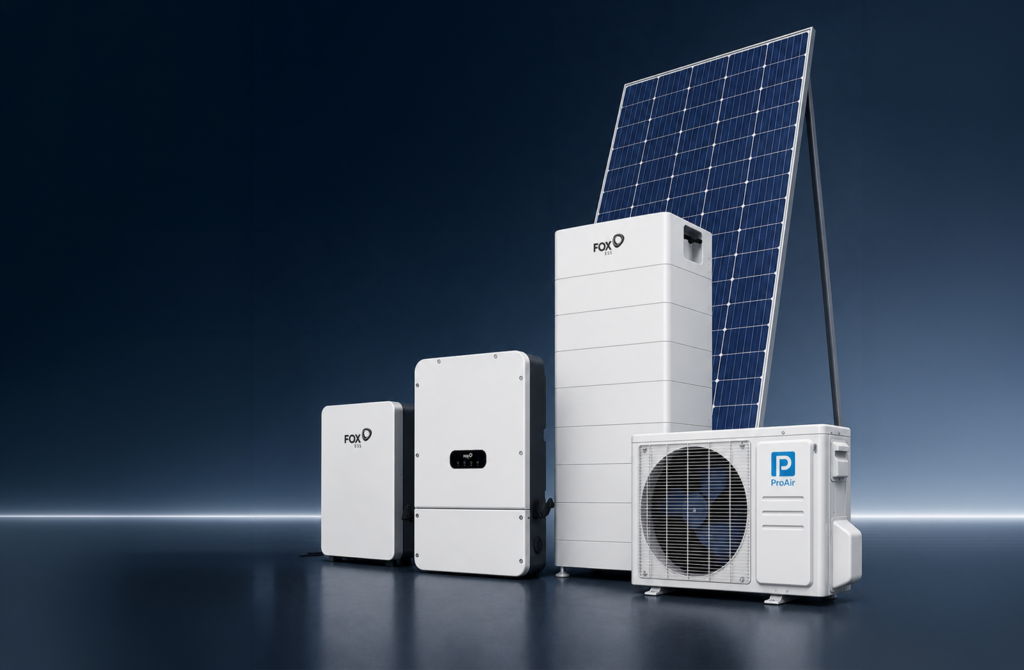
For some homeowners, a home battery can store electricity when it is lower priced and release it during the expensive on-peak hours, and solar panels can produce power on site. Results are estimates and depend on your home, your price plan and program rules, so they are worth exploring carefully rather than rushing. To get a feel for the numbers, try the Vivion Saving Calculator.
A simple starting plan
You do not need to do everything at once. Start by confirming your price plan, move two or three chores to cheaper hours, and keep an eye out for the OEB’s November 1 announcement. If you are thinking about bigger upgrades, check the rebate programs first and plan from there.
If you would like to talk through your options, book a free consultation with Vivion Energy.
Sources
Information is current as of October 9, 2026. Programs and rates can change, so check the official source or contact us before making decisions.