
Ready for a Winter Outage? Backup Power and Safety Questions Answered
Ready for a Winter Outage? Backup Power and Safety Questions Answered
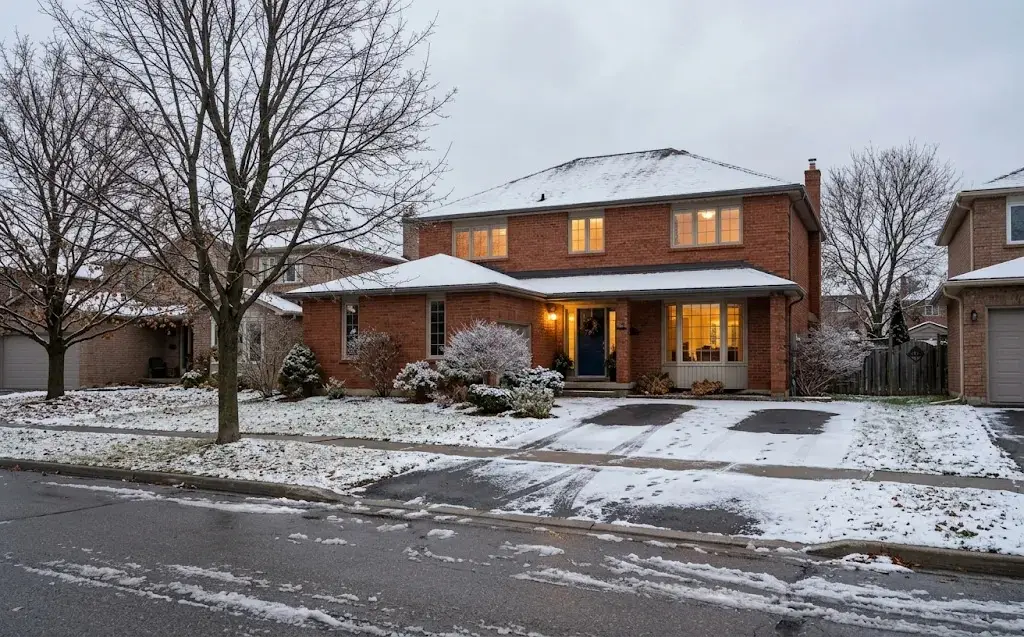
Freezing rain, heavy snow and high winds can knock out power across Ontario in winter. A little planning makes an outage safer and a lot less stressful. Here are plain answers to common questions about outages, generators, solar panels and home batteries, based on official sources.
1. What should go in a winter outage kit?
The Government of Canada says households should be ready to take care of themselves for a minimum of 72 hours. Ontario’s guidance is similar: stock your kit to last at least 3 days. Useful items from those pages include:
- Flashlights with spare batteries (safer than candles)
- A crank or battery-powered radio, in case the internet is down
- Power banks or a battery pack to charge phones and other critical devices
- Battery-operated smoke and carbon monoxide alarms
- A surge-protecting power bar for electronics
Canada’s page also suggests learning how to shut off your home’s water system, since pipes can freeze during long winter outages.
2. What should I do when the power goes out?
First, report it to your local utility. Hydro One customers can call 1-800-434-1235 at any time, or check the outage map and app linked on Hydro One’s outage page. If anyone’s life is in danger, call 911 first. Customers of other utilities can find the outage number on their bill or their utility’s website.
Ontario’s outage page also recommends:
- Unplug appliances and electronics, except the fridge and freezer
- Turn your heating down to the minimum, and keep one light on inside and one outside so you know when power is back
- Keep fridge and freezer doors closed: a fridge keeps food cold for about 4 hours, and a full freezer keeps food frozen for about 2 days (1 day if half full)
- Use only portable space heaters designed for indoor use, and never use a gas stove or oven, barbecue or camping stove for heat indoors
- Stay at least 10 metres away from any downed power lines
3. What should I do when the power comes back?
Ontario suggests waiting 10 to 15 minutes before turning appliances back on, then starting with essentials such as heat. Make sure your hot water tank is full before turning it back on. If you notice any damage to your home’s electrical system, contact an electrician.
4. Can I plug a generator into my house?
Not by yourself, and never through a wall outlet. The Government of Canada says a backup generator may only be connected to a home’s electrical system through an approved transfer panel and switch installed by a qualified electrician. The Electrical Safety Authority (ESA) says a generator connected permanently to your wiring must have a transfer device, which stops generator power from flowing back into utility lines, and that a notification of work must be filed with ESA. ESA strongly recommends hiring a Licensed Electrical Contractor.
Carbon monoxide is the other big risk. Never run a fuel-burning generator inside your home or garage, even with doors or windows open. Canada’s page says to keep portable fuel-burning generators at least 6 metres (20 feet) from homes and buildings, with the exhaust pointed away from windows and doors.
5. Is it safe to brush snow off my solar panels?
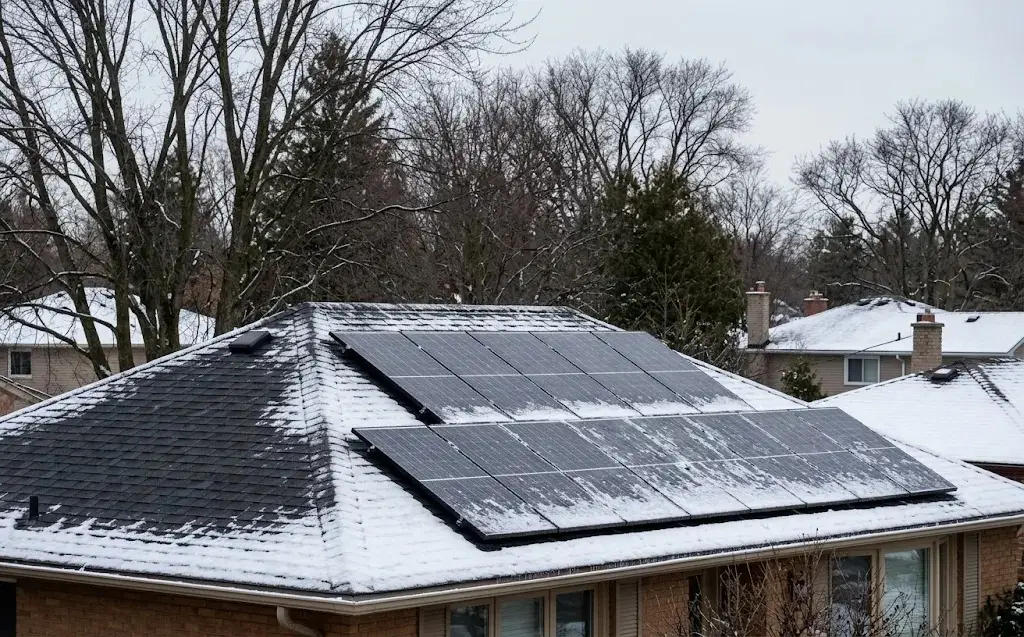
Please stay off the roof. Ontario’s firefighter guidance on solar systems explains that panels stay energized whenever light reaches them, so they can’t simply be switched off, and a group of panels can produce more than 600 volts of direct current. Add ice and a sloped roof, and it’s a job to leave alone. If you’re worried about snow load or damage, contact your installer.
6. Can a home battery go in a cold garage?
It depends on the product, so check the manufacturer’s specs. According to the Fox ESS PowerQ all-in-one datasheet (V1.6, July 23, 2026), its operating temperature range for North America is -25 °C to +55 °C, with reduced output (derating) above 40 °C, and it is described as suitable for outdoor installation. The Fox ESS US Series hybrid inverter datasheet (V4.4, May 28, 2026) lists -25 °C to +60 °C for the inverter. Where a system goes in your home is decided with your installer, never as a do-it-yourself project. Vivion is an authorized Fox ESS dealer.

7. How do I know what size battery I’d need?
That depends on your home and what you want the battery to do, so sizing is confirmed during a consultation. For reference, the Fox ESS battery packages Vivion installs (US Series and PowerQ) range from 8 to 56 kWh in 4 kWh steps, with 9.6 kW or 11.4 kW inverter options. Packages include the inverter, battery modules and a battery stand. You can also explore Vivion’s Saving Calculator for an estimate, which depends on your home and usage.
If you’d like to talk through backup power or solar for your home, book a free consultation with Vivion Energy.
Sources
- Government of Canada, Power outages: canada.ca
- Government of Canada, Power outages – how to prepare: canada.ca
- Ontario.ca, Power outages and blackouts: ontario.ca/poweroutages
- Hydro One, What Happens When The Power Goes Out?: hydroone.com
- Electrical Safety Authority, Generator Safety: esasafe.com
- Ontario.ca, Firefighter Guidance Note 6-34, Solar photovoltaic systems: ontario.ca
- Fox ESS, PowerQ All-in-One Datasheet V1.6 (2026/07/23): fox-ess.com (PDF)
- Fox ESS, US Series Split-Phase Hybrid/AC Datasheet V4.4 (2026/05/28): fox-ess.com (PDF)
- Vivion Energy: PowerQ Series, US Series, Saving Calculator, contact and free consultation
Information is current as of November 20, 2026. Programs and rates can change, so check the official source or contact us before making decisions.