
Why Ontario Electricity Rates Are Rising
Why Ontario Electricity Rates Are Rising
Ontario Electricity Rates Are Skyrocketing in 2025: 7 Powerful Ways Homeowners Can Save on Hydro Bills
Ontario electricity rates are rising dramatically in 2025. Discover why hydro bills may increase by up to 167% and learn smart strategies to reduce your electricity costs.
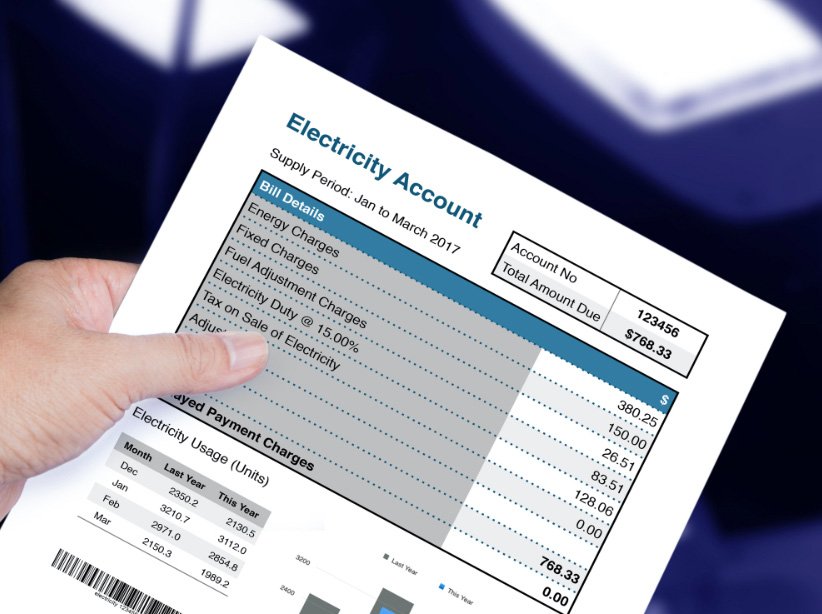
Ontario homeowners are facing a major shift in electricity costs. Starting November 1, 2025, electricity rates across the province are expected to rise significantly. These increases are regulated by the Ontario Energy Board and apply to all electricity providers across the province.
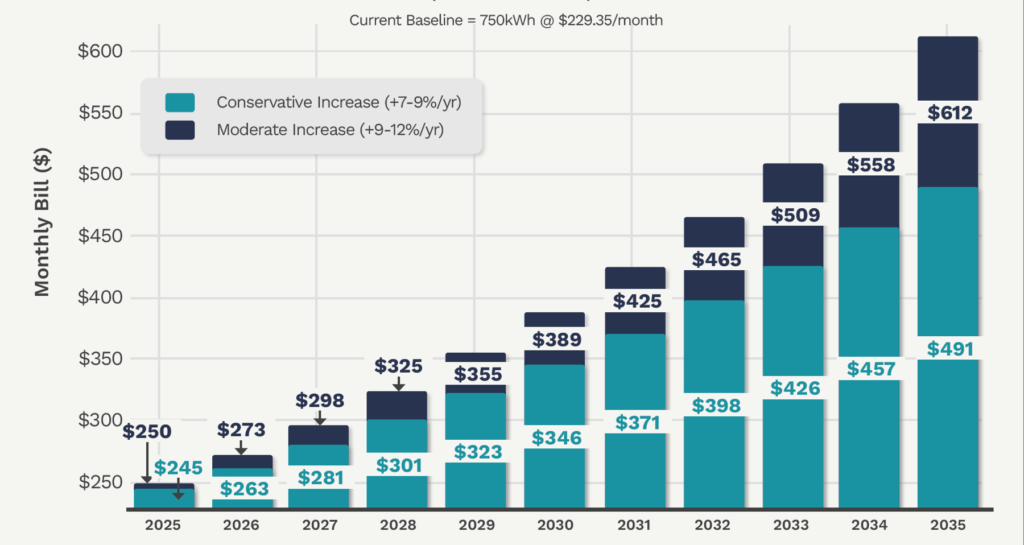
Reports indicate that electricity bills could increase between 114% and 167% over the next 10 years, depending on household usage and market conditions.
This means that families currently paying around $229 per month for electricity could eventually see their monthly bills climb to more than $600 per month by 2035.
So what is driving this surge in electricity costs? And more importantly, what can homeowners do about it?
In this guide, we’ll break down:
- Why electricity prices are rising in Ontario
-
The new electricity pricing structures
-
The Ultra-Low Overnight (ULO) rate plan
-
How battery storage systems reduce energy costs
-
Practical strategies homeowners can use to save money
Let’s dive in.
Why Ontario Electricity Rates Are Rising
Ontario’s electricity system is under increasing pressure due to several economic and technological changes.
Growing Electricity Demand
The Independent Electricity System Operator predicts that Ontario’s electricity demand will increase by 75% by the year 2050, rising from 151 terawatt-hours to 263 terawatt-hours annually.
This massive increase is driven by several key factors.
Electric Vehicles
As electric vehicles become more common, many households are charging cars at home. EV charging can dramatically increase electricity usage.
Artificial Intelligence and Data Centers
AI-powered technologies require massive computing power. Large data centers are being built across Canada to support cloud computing and AI applications.
These facilities consume enormous amounts of electricity.
Population Growth
Ontario continues to experience strong population growth due to immigration and economic expansion.
More people means more homes, appliances, and electricity usage.
Aging Infrastructure
Ontario’s electrical grid infrastructure is aging and requires upgrades. These upgrades require large investments that eventually impact electricity pricing.
Together, these factors are pushing demand to historic levels.
Population Growth
Ontario continues to experience strong population growth due to immigration and economic expansion.
More people means more homes, appliances, and electricity usage.
Ontario Electricity Rate Changes in 2025
Starting in November 2025, electricity rates are increasing across all Time-of-Use pricing tiers.
The Ontario Energy Board has approved rate increases of approximately 28–29% across all tiers.
Updated Electricity Rate Structure
| Rate Type | Price (¢/kWh) |
|---|---|
| Off-Peak | 9.8¢ |
| Mid-Peak | 15.7¢ |
| On-Peak | 20.3¢ |
| Ultra-Low Overnight | 3.9¢ |
Under the Ultra-Low Overnight plan, peak electricity can reach 39.1¢ per kWh, making daytime electricity extremely expensive.
This pricing structure is designed to encourage homeowners to shift electricity usage to nighttime hours when demand is lowest.
The Ultra-Low Overnight Rate Plan Explained
Ontario introduced the Ultra-Low Overnight (ULO) rate plan to help manage electricity demand across the grid.
Under this pricing system:
-
Electricity is cheapest overnight
-
Prices rise during the day
-
Peak demand hours become the most expensive
This pricing strategy helps the electrical grid remain stable by spreading electricity usage more evenly throughout the day.
ULO Rate Schedule Example
Typical schedule includes:
| Time Period | Rate Type |
|---|---|
| Overnight | Ultra-Low |
| Morning | Off-Peak |
| Afternoon | Mid-Peak |
| Evening | On-Peak |
Homeowners who adjust their electricity usage can benefit significantly from these lower overnight rates.
For example, running appliances overnight such as:
-
Dishwashers
-
Laundry machines
-
Electric vehicle chargers
-
Water heaters
can dramatically reduce electricity costs.
How Home Battery Storage Helps Reduce Hydro Bills
One of the most powerful ways to benefit from the Ultra-Low Overnight rate plan is through home battery storage systems.
Battery systems allow homeowners to store electricity during cheap overnight hours and use it during expensive peak hours.
How Home Battery Systems Work
-
Electricity is purchased overnight when prices are lowest.
-
The electricity is stored in a home battery.
-
During expensive daytime hours, the home runs on stored electricity.
This reduces reliance on expensive peak electricity.
According to energy cost comparisons, households using battery systems with the ULO rate plan can save between $165 and $182 per month compared to standard time-of-use pricing.
Over a year, this could translate to thousands of dollars in savings
Where Ontario’s Electricity Comes From
Ontario generates electricity from a mix of sources.
The current electricity supply includes:
| Source | Share |
|---|---|
| Nuclear | 32% |
| Natural Gas | 28% |
| Hydro | 24% |
| Wind | 13% |
| Solar | 1% |
| Biofuel & Storage | <1% |
One major concern is the increasing reliance on natural gas power generation.
Reports indicate that 16% of electricity in Ontario’s grid is produced by natural gas, and this number is increasing.
Natural gas generation increases emissions and can also contribute to higher electricity costs.
According to energy cost comparisons, households using battery systems with the ULO rate plan can save between $165 and $182 per month compared to standard time-of-use pricing.
Over a year, this could translate to thousands of dollars in savings
Electrical Safety Risks in Older Homes
Electricity cost increases are not the only issue homeowners need to consider.
Older electrical systems can also pose safety risks.
According to electrical safety authorities:
-
Over 40% of Canadian homes still operate with outdated electrical panels
-
Approximately 5% of residential electrical fires involve fuse panels
Many homes built between the 1920s and 1960s still use screw-in fuse panels, which no longer meet modern electrical code requirements.
Upgrading to a modern breaker panel improves safety and electrical capacity.
Insurance providers may also require electrical upgrades before offering coverage.
7 Smart Ways Homeowners Can Reduce Electricity Costs
With electricity prices rising rapidly, homeowners should consider proactive strategies.
Here are seven effective ways to reduce electricity expenses.
1. Switch to the Ultra-Low Overnight Plan
Homeowners who can shift electricity use to overnight hours can take advantage of the lowest electricity rates available.
2. Install Home Battery Storage
Battery systems allow homeowners to avoid peak electricity pricing and maximize overnight savings.
3. Upgrade Electrical Panels
Modern breaker panels support higher electrical loads and improve safety.
4. Install Smart Home Energy Management Systems
Smart thermostats and energy monitoring systems help optimize electricity usage.
5. Charge Electric Vehicles Overnight
EV charging can be expensive during peak hours. Overnight charging is much cheaper.
6. Upgrade to Energy-Efficient Appliances
Modern appliances consume far less electricity.
7. Improve Home Insulation
Better insulation reduces heating and cooling electricity usage.
The Future of Electricity in Ontario
Ontario’s electricity system will continue evolving over the next several decades.
Experts expect major changes including:
-
More renewable energy projects
-
Expanded battery storage
-
Smart grid technology
-
Increased electrification of transportation
However, electricity prices will likely continue rising as infrastructure investments grow.
Homeowners who adapt early will be better positioned to manage future energy costs.
Frequently Asked Questions
Why are Ontario electricity rates increasing?
Electricity rates are increasing due to rising demand, infrastructure upgrades, electric vehicle adoption, and growing energy consumption from AI data centers.
When do the new electricity rates start?
The updated electricity rates are expected to take effect November 1, 2025.
What is the Ultra-Low Overnight rate plan?
The Ultra-Low Overnight plan offers extremely cheap electricity overnight when demand is lowest.
Can a home battery reduce electricity costs?
Yes. Battery systems allow homeowners to store cheap overnight electricity and use it during expensive peak hours.
Are older electrical panels dangerous?
Older fuse panels can pose safety risks and may not meet modern electrical safety codes.
Will electricity prices continue rising?
Most experts expect electricity prices to rise over the next decade due to growing demand and infrastructure investments.
Ontario homeowners are entering a new era of electricity pricing. Rising demand, infrastructure upgrades, and technological growth are pushing electricity costs higher.
While these increases may seem concerning, new tools such as the Ultra-Low Overnight rate plan and home battery storage systems provide opportunities for homeowners to reduce their electricity bills.
By understanding the new pricing structures and making smart energy decisions, households can protect themselves from rising electricity costs while improving energy efficiency and home safety.
Sources
Ontario Energy Board
Independent Electricity System Operator
Energy demand projections and electricity pricing reports.